
Blinds, Shutters or Curtains? How to Choose for Each Room
Standing in front of a bare window with three very different options can feel overwhelming. This guide helps you decide between blinds, shutters and curtains by starting with what each room actually needs, so you end up with something that works every day, not just on the day it is fitted.
A window covering should suit the way you live as well as the room you are decorating. Blinds, plantation shutters and curtains can all provide privacy and light control, but they achieve those things differently. Start with the problem at the window, then choose the style that solves it most comfortably.
Start with your daily routine
Think about when the room is occupied and what happens there. A living room overlooking the pavement may need daytime screening, while a bedroom needs evening privacy and effective light reduction. A kitchen may place easy cleaning above decorative fullness. Write down the two requirements that matter most before looking through fabrics and finishes.
Understand how each product works
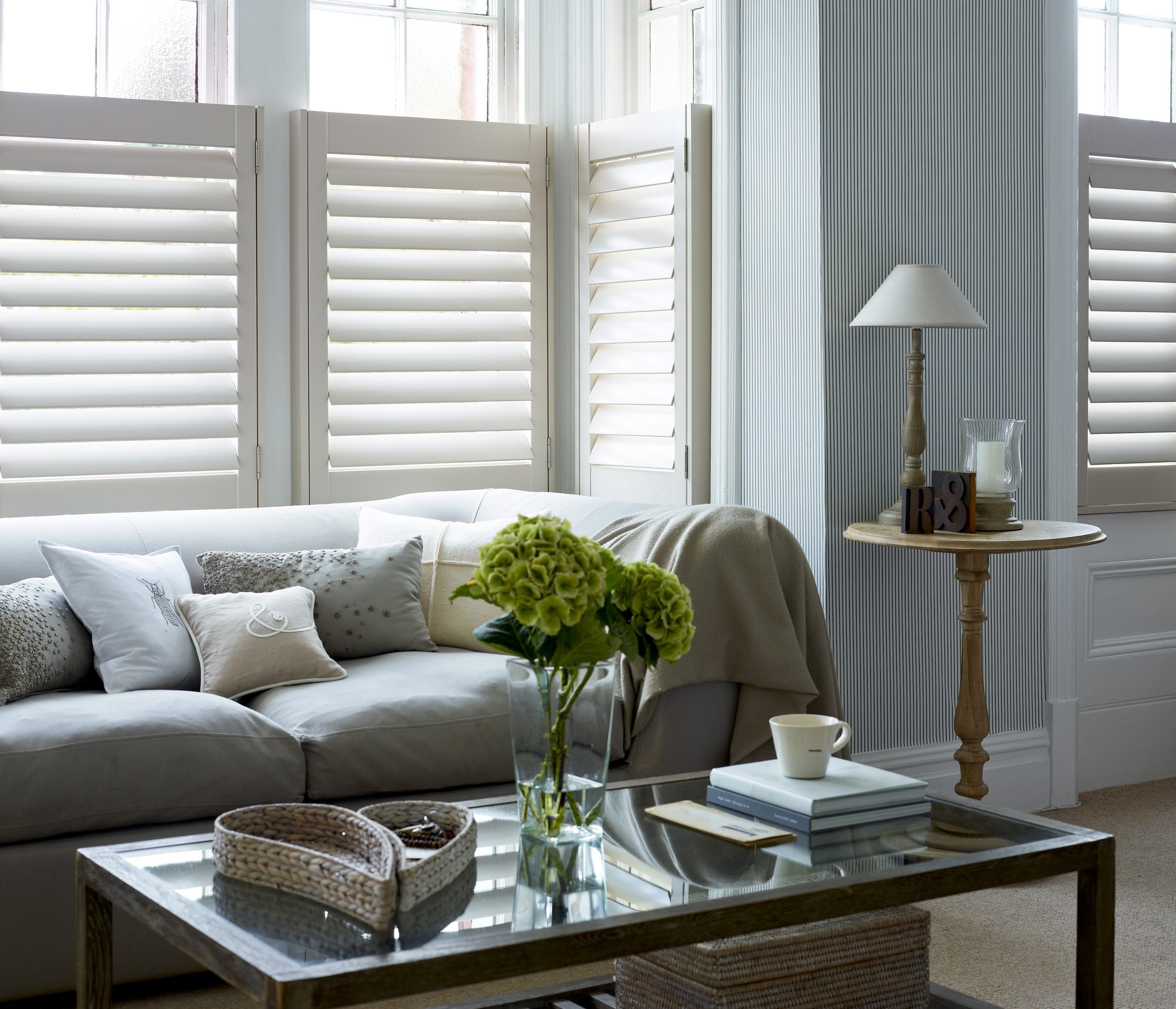
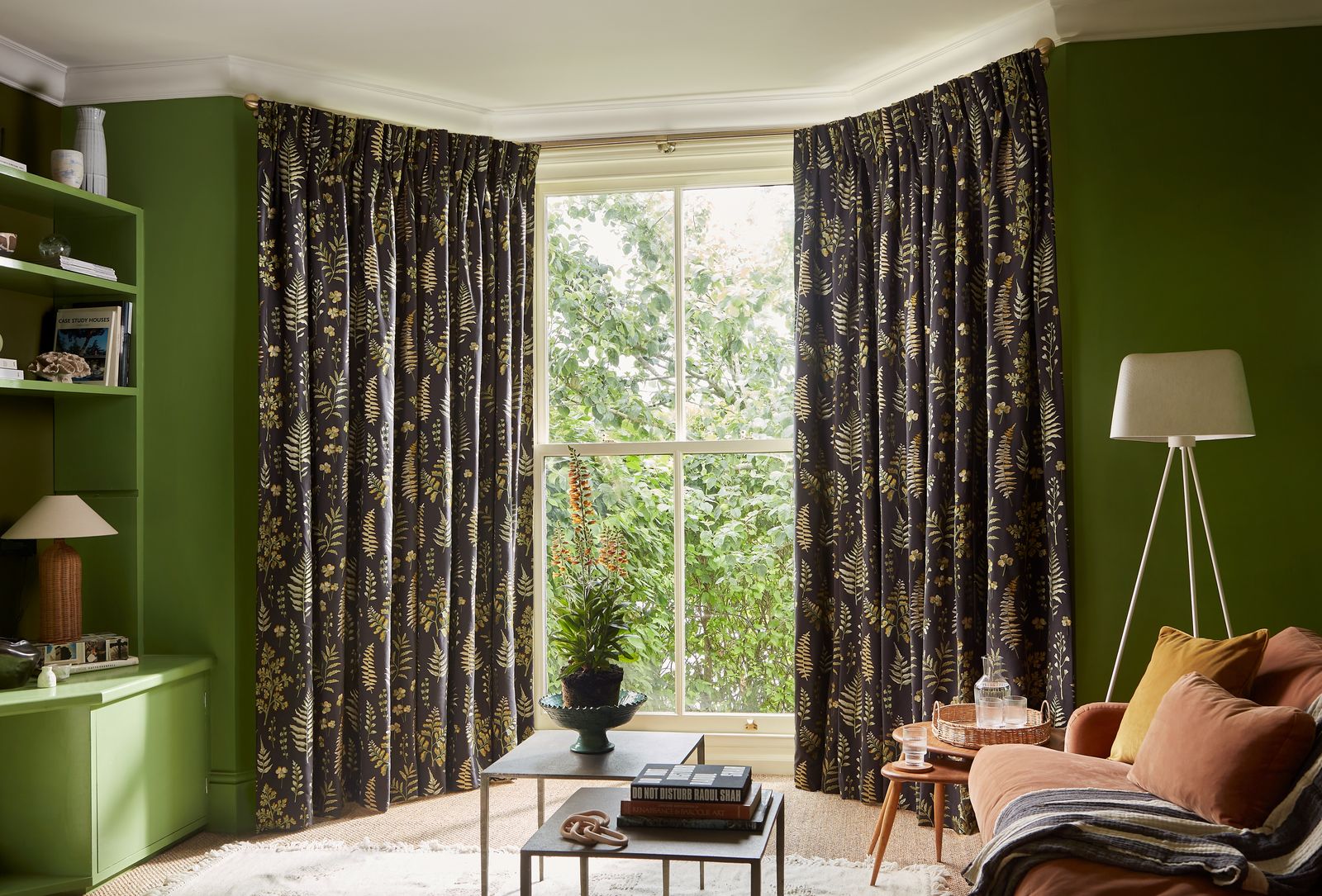
Roller blinds give a simple sheet of fabric, Venetian blinds tilt slats, and vertical blinds rotate and draw to one side. Shutters offer adjustable louvres within a fitted frame. Curtains bring a larger expanse of fabric that can soften the room and frame the view. None is automatically best for every window.
Try a room-by-room comparison
Start your shortlist with a real situation rather than a favourite product name. Imagine opening the covering on a winter morning, adjusting it when the sun reaches the sofa and closing it after dark. Then think about cleaning the glass. If one of those tasks feels awkward, investigate why. The answer may be a different control, a changed fitting position or another product entirely. This simple walkthrough is especially helpful when several people share a room and have different priorities. A covering that everyone can understand and comfortably adjust is more likely to deliver its intended benefits than one chosen only for its appearance when closed.
Look at the space around the glass
Check handles, opening windows, radiators and furniture. Curtains need room to stack back, shutters need clearance for their panels, and a blind needs space for its brackets and movement. A beautiful choice can become frustrating if it blocks a frequently used handle or makes a door awkward to open.
Want advice at your own windows? Angel Blinds and Shutters offers free home visits across Gateshead, Newcastle and the surrounding areas, so you can compare options in your own light.
Compare privacy and light honestly
A light filtering fabric can soften sunshine without giving complete privacy after dark. Blackout fabric can reduce light passing through the cloth, but light may still enter around its edges. Slatted products provide flexible screening, although their performance depends on louvre angle, sightlines and the lighting on each side of the window.
Use samples to compare more than colour
A fabric sample can show texture and opacity, while a working blind or shutter sample reveals movement and scale. Hold fabrics vertically and view them from the positions where you normally sit. For curtains, consider how the folds will occupy the wall when open. For shutters, look at the frame as well as the louvres. Ask how the proposed finish relates to existing frames and flooring. These observations make the comparison concrete: you are assessing the complete presence of the product in the room, rather than selecting a small colour square with little indication of the finished result.
Decide whether to combine products
A practical blind with curtains can provide flexible daytime screening and a softer evening finish. Shutters can also sit behind decorative curtain panels where space allows. Layering adds cost and requires coordinated fitting positions, so give each layer a clear purpose rather than adding fabric simply because the room feels unfinished.
Make the final decision easier
If two options remain attractive, compare them against your original priorities in order. Which offers the privacy you need, which is easiest to operate and which suits the care you are willing to provide? Only then compare decorative details and optional upgrades. There may still be a reasonable compromise, such as accepting a small light gap in exchange for a simpler installation. Agree that compromise before manufacture. Keep a record of the selected arrangement and any limitations so the eventual result can be assessed against a clear specification, rather than an impression formed from several different showroom examples.
A practical example
A street-facing lounge with a television might use adjustable shutters for daytime screening and curtains for evening comfort. A compact utility room could be better served by a moisture-suitable roller blind. Both are sensible choices because they respond to different conditions, rather than following one rule throughout the property.
Frequently asked questions
Do blackout blinds block out all light?
A light filtering fabric can soften sunshine without giving complete privacy after dark. Blackout fabric can reduce light passing through the cloth, but light may still enter around its edges.
What should I check around the window before choosing?
Check handles, opening windows, radiators and furniture. Curtains need room to stack back, shutters need clearance for their panels, and a blind needs space for its brackets and movement.
Can I combine blinds with curtains or shutters?
A practical blind with curtains can provide flexible daytime screening and a softer evening finish. Shutters can also sit behind decorative curtain panels where space allows.
Talk to Angel Blinds and Shutters
Arrange a measuring consultation to compare the most suitable options at your own windows.
For more than 20 years, Angel Blinds and Shutters has helped homes and businesses across Gateshead, Newcastle and the surrounding areas, including Low Fell, Whickham, Washington, Chester-le-Street, Hexham and Corbridge. Visit our showroom at 698 Durham Road, Low Fell, Gateshead NE9 6JA, call 0191 487 8777, or book online and we will come to you.